Colombia
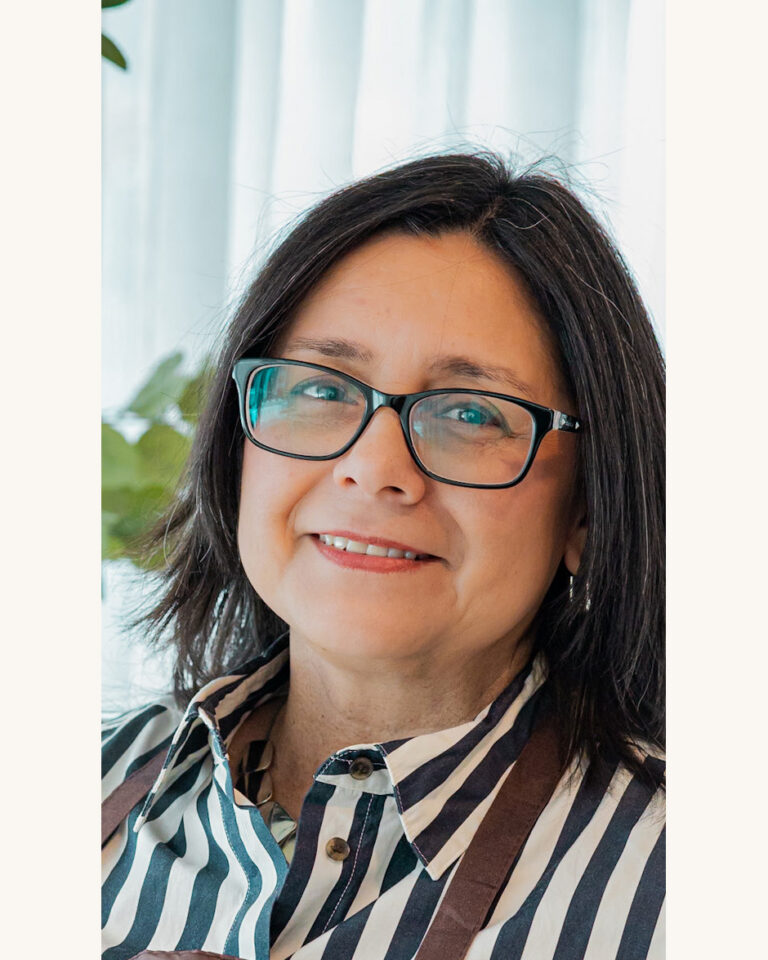
Isabel Cardona
“For me, home is not just one place. It is something that expands, transforms, and learns to exist in more than one land at the same time.”
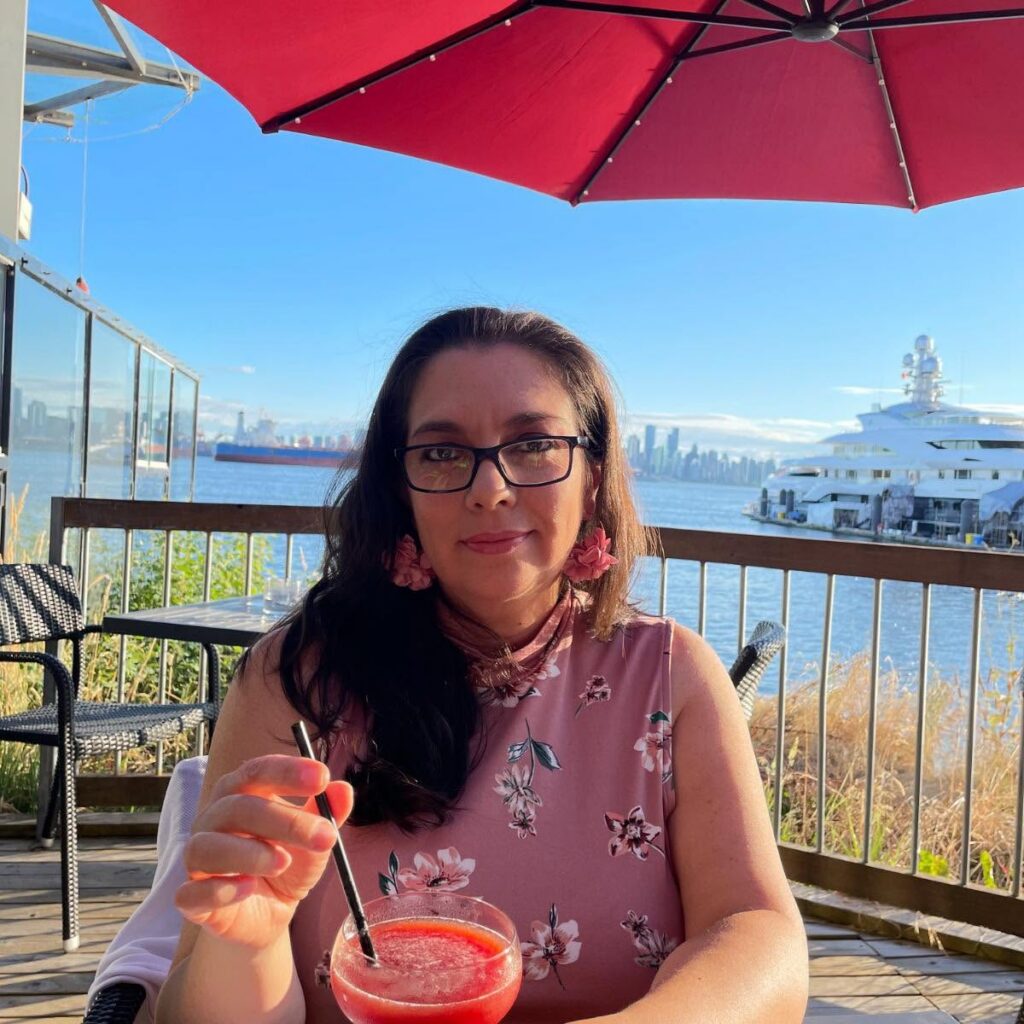
A social communicator, journalist and social management specialist, Isabel arrived in Alberta with her family in 2018. Her story speaks of adaptation, Colombian roots and the strength of building community in a new land.
Arrived in Canada in 2018
There are decisions born not from fear, but from the quiet certainty that it is time for change. They are not always understood in the moment they are made, but over time they reveal their purpose. That is how my path to Canada began: not as an escape, but as a conscious choice for the future.
I am a social communicator and journalist, with a specialization in social management. For more than twenty-five years, I was a university professor in Colombia, a country I deeply love and that gave me the foundations for everything I am. I also worked as a communications director in public and private organizations, and practised journalism—an experience that shaped my life.
But it was in social management, working with communities, that I found my true calling. I understood that my purpose was not only to communicate, but to transform—to create projects that make an impact on people’s lives.
The possibility of immigrating came naturally. Throughout my life, I had lived in different cities and adapted easily to change. So when my husband was offered a job opportunity in Alberta, Canada, we did not hesitate for long. It was 2018, and our daughters were 17 and 6. We were concerned about Colombia’s social, economic and safety context, and we saw Canada as a real opportunity, especially for them.
The decision was easier than many people imagine. Not because it did not hurt, but because we knew we were choosing a better path. After arriving, one of the greatest challenges was the language. I had a foundation in English, but speaking it was another story. Studying at NorQuest College for three years not only allowed me to learn the language, but also opened the world to me. I met friends from different countries, heard new accents and came to understand different cultures. It was like living in a Tower of Babel and, far from frightening me, it fascinated me. Little by little, the language stopped being a barrier and became a doorway.
Adapting also meant learning new ways of relating to others. The weather was a challenge, yes, but so was understanding a culture where emotions are expressed differently. We Latin Americans are close, spontaneous and affectionate. Here, relationships are more reserved and structured. I learned that there is tremendous richness in this diversity, but also a need to respect, ask questions and adapt. Even so, we have never stopped being who we are.
At home, we remain deeply Colombian. At Christmas, we celebrate the novena de aguinaldos, gathering with friends who become family. We cook our recipes, celebrate birthdays and share Sunday lunches. I encourage my youngest daughter to keep her Spanish, because language is also root and identity.
I miss many things: my family, unhurried conversations, coffee with friends, bread from the neighbourhood bakery, and the warmth of everyday life. But I have also learned to rebuild those spaces here. Technology shortens distances, and the new bonds we form sustain the heart. Seeing my daughters grow, become women and build their own paths is one of my greatest dreams fulfilled. And we are making it happen here.
Cooking has been one of the strongest bridges to my story. At home, Colombian soups are living memory: ajiaco and three-meat sancocho; every dish takes us back to childhood, to family Sundays and to the hands of our mothers and grandmothers. Cooking here is a way to offer others a small piece of our story, to share joy. If I had to define what the food of my country means in three words, I would say: happiness, flavour and tradition.
Today, I can say that I love this country. I am deeply grateful for what it has given us, for my daughters’ happiness and for the opportunities. We live with divided hearts, but hearts that are twice as full. Immigrating is not for everyone. It means letting go, reinventing yourself, learning from the beginning, facing fears and, often, failing before moving forward. But it is also a transformative experience. It teaches you the value of safety, respect, diversity and honesty. It shows you that it is possible to live in a place where every culture has space. And that changes your life.
Together with my husband and my eldest daughter, we have created two social organizations that support immigrant women in Canada and promote the preservation of their culture, cuisine and traditions. This work is deeply meaningful to me. It is a way of honouring my mother’s legacy. She passed away in 2024 and taught me that helping others is one of the noblest acts there is. She was happy to know about our projects and very proud of us, which gives me both the motivation and the reason to keep going despite adversity.
For me, home is not just one place. It is something that expands, transforms, and learns to exist in more than one land at the same time. And in that process, you discover that you have not lost your roots—you have simply learned to help them grow in another place.
Explore food, language and community
Continue exploring cultural heritage with Women in Touch. Try our Colombian sancocho recipe and English lesson, browse English through cooking lessons, or discover Flavors of Heritage cultural programs in Edmonton.